
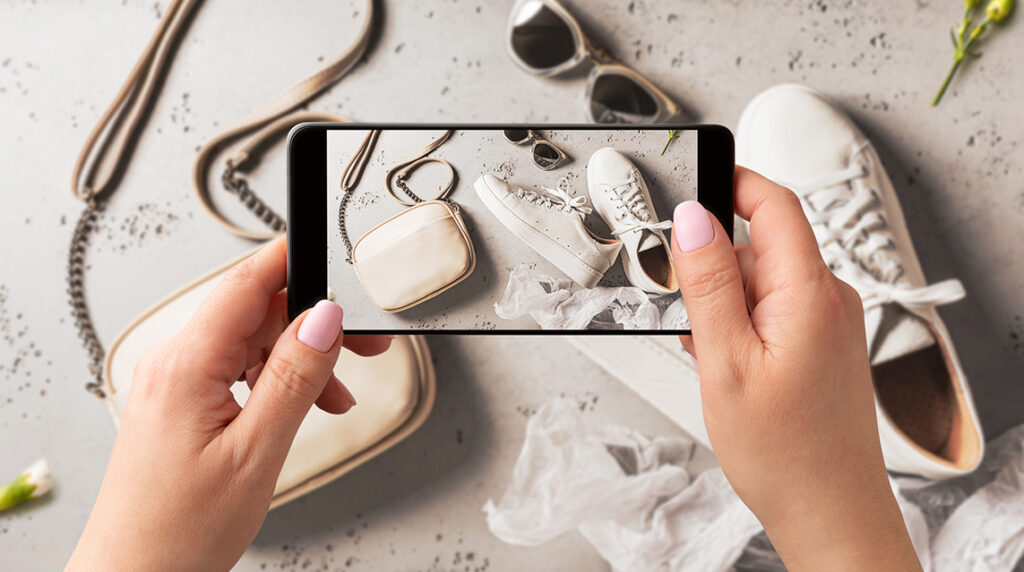

As a runner or someone who tries to stay healthy and fit, you may have also started looking for sustainable sneakers. In turn, that reflects a shift that’s happening across consumer goods. Brands understand that shoppers want to move away from the take-make-waste model. They want something more sustainable, and in the process, they’re looking for ways to have things last longer. How? Through reuse, repair, and recycling.
What was once an idea that was more niche, the circular economy, or as we call it, the reuse economy, is reshaping how we look at everyday products. For example, a lot of fast fashion means that the quality of clothing is low. But, as we get back to sustainability, what happens? We also return to quality, craftsmanship, and durability. Who wants to continually be throwing away almost every product we own within a year or two? It’s wasteful!
Why Sustainable Sneakers Matter in the Circular Economy
As previously mentioned, the circular reuse economy focuses on extending product lifespans and reducing waste. In the footwear industry, it means keeping footwear in use for as long as possible. It could also mean recovering materials and creating systems that allow people such as you to know how to direct unwanted sneakers, for example, into the circular economy for reuse in other nations, such as Cambodia.
Almost every pair of athletic shoes can become sustainable sneakers and go a long way toward advancing the reuse economy because they align with three circular economy elements.
1. Reuse and extend the life.
Our favorite is that athletic shoes can have a second life in places like Cambodia when people redirect the sneakers away from the trash.
2. Repair of products to have them last longer.
Extending the usability of sneakers through repair and cleaning is another essential aspect of the circular economy.
3. Recycling when a product is at the end of its life.
When you recycle sneakers, ultimately, it recovers the materials from end-of-life athletic shoes for use in new products.
Unlike other consumer goods, sneakers are highly durable, and there’s an easy route to extend their life. In turn, they’re ideal for circular systems that reduce waste and meet consumer demands for sustainability.
Circular Economy Examples Across Consumer Goods
Believe it or not, sneakers are essential and part of a broader movement that’s impacting sustainable consumer goods. Circular and reuse examples appear in so many ways. For instance, there’s a big vintage movement. In short, because people realize that the quality of inorganic clothing and shoes is subpar, they like finding a great deal in a vintage shop with high-quality, handcrafted clothing and apparel.
Brands are expanding their resale and take-back programs and practices. It’s not just in the apparel or sneaker industry, but also in electronics with certified pre-owned programs that extend the life of devices. It’s also happening in the furniture business, going beyond antiques and into refurbishing or using solid wood to create other products. In sum, there’s value to products that goes beyond the initial point of sale.
From Linear to the Circular Economy: How Sneaker Reuse Changes Consumption
If you’re a runner or someone who likes to stay fit, consider your sneakers for a moment. They have a short lifespan. For instance, runners rotate their running shoes between 300 and 500 miles. And if a manufacturer starts selling a sneaker that promises better performance, many people will likely purchase it. However, sustainable sneakers can challenge that assumption, even the ones that aren’t made of eco-friendly materials.
Through sneaker reuse, a single pair of athletic shoes can be used not only by the original purchaser but also by new owners. For this to happen, all it takes is a shift in how consumers think about sustainability and social responsibility. The circular economy is much more resilient, reduces pressure on scarce raw materials and energy use, and aligns with broader environmental goals to do better and be better. But there’s more!
FAQ About Green Sneakers and Tree Planting
1. How Do Sustainable Sneakers Support the Circular Economy?
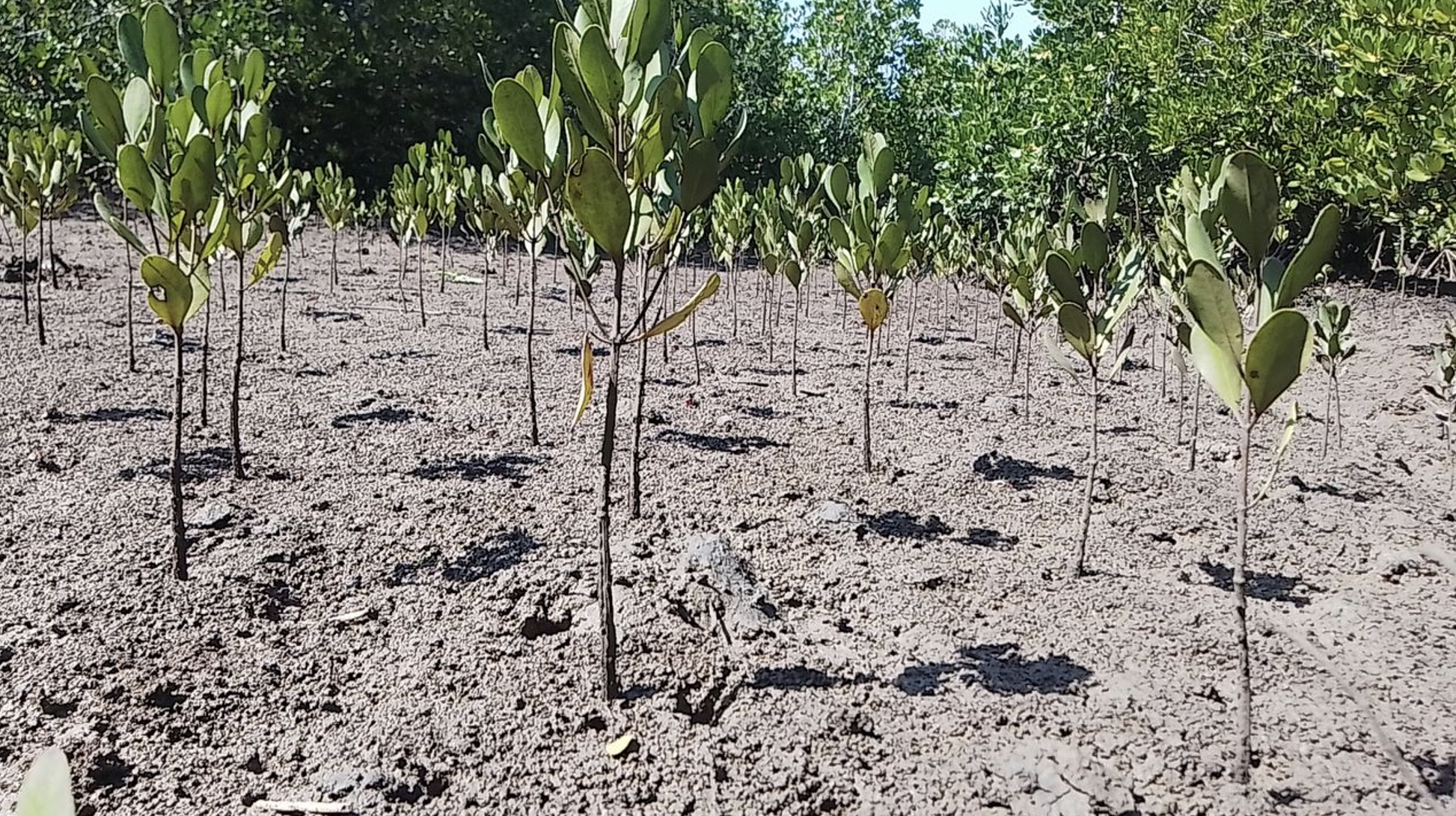
At Green Sneakers, a program of the nation’s sneaker reuse leader, Sneakers4Good, we help sneaker reuse grow through agroforestry tree-planting in Haiti and mangrove restoration in East Africa.
2. What is the Tree Planting Impact Green Sneakers Has Made?
To date, participants in the Green Sneakers program have planted more than 16,600 trees, roughly the size of 141 tennis courts. It’s also provided jobs, with 84% of workers in Haiti and 61% in East Africa being women.
3. What Has Been Reforested in Kenya?
With the support of those who have partnered with Green Sneakers, for example, in Kenya, there’s been work to restore mangrove forests. In turn, it’s empowered impoverished coastal communities to support local fishing grounds, providing jobs and stabilizing the coastline.
In short, when you partner with Green Sneakers in the circular economy, you’re reducing landfill pressure and making other contributions by planting trees. You’re also helping support reforestation, carbon sequestration, and the improvement of global economies. The integrated approach demonstrates how the principles of the reuse economy can deliver innovative, nature-based solutions for sustainability to the planet and its people.
© 2026 Green Sneakers. All Rights Reserved.