
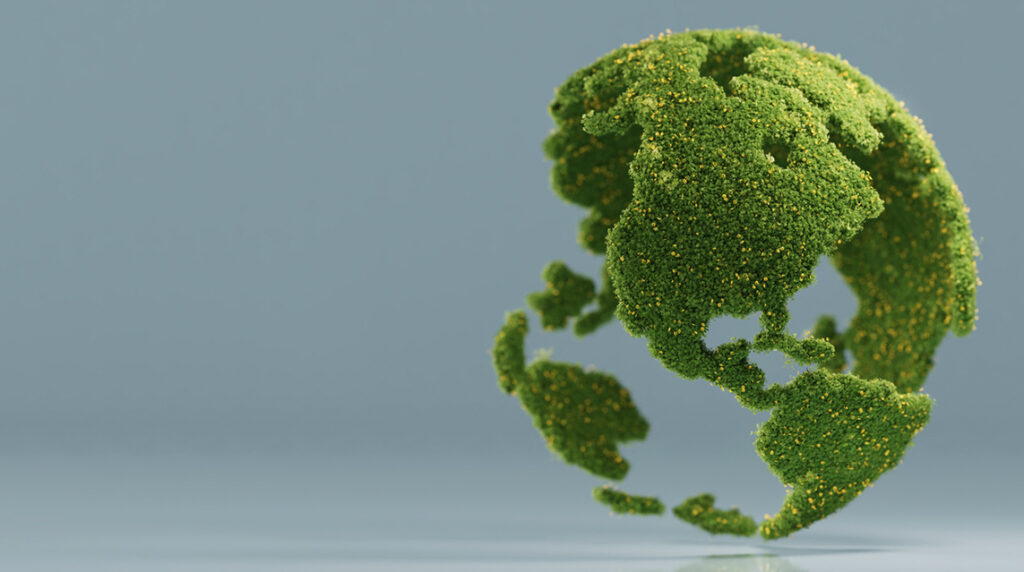

There’s a moment many of us have had when we stare into our closets. We stand in front of a closet that’s somehow become a storage unit, and we wonder how all that “stuff” fits in there. Maybe it happened after a big move, or after pulling out a stack of shirts you forgot you even owned. Regardless, this clothing and footwear are second-hand gold that can make a sustainable and social impact.

The Hidden Price of Cheap Clothing
Cheap, fast fashion has reshaped closets by providing trendy clothing at prices so low they barely register as a decision. You could get a $7 top here or a $15 pair of pants there with quick purchases and little thought about the origins or environmental impact. Most fast fashion is produced using synthetic materials that degrade quickly and aren’t breathable.
Moreover, the clothing is often assembled by women and even children who work exhausting hours for meager wages. These garments aren’t meant to last. They’re meant to be replaced. And replaced. And replaced again. That’s why second-hand clothing is the most socially responsible approach. (Learn how Green Sneakers and you can make a global difference).
A Reuse Economy on the Rise
There is a bright spot in the picture. More people are becoming aware of the environmental and social toll of overconsumption, and the reuse economy is growing. More people want to live sustainably, and the demand for second-hand fashion and responsible reuse programs has surged. That shift has created opportunities, but also a few complications.
Two major challenges have emerged:
1. Not every “reuse” company is what it claims to be.
As the industry grows, newcomers appear overnight, promoting bins, collection sites, and recycling programs. Some are legitimate, but many aren’t. So, before redirecting your apparel and shoes to the reuse economy, you should always take a moment to verify:
- Does the company have a real footprint?
- Have they been in business for more than a few years?
- Are independent reviews available?
2. More material is flowing in than the market can absorb.
Even as companies like Nike and Adidas experiment with sustainable lines or take-back programs, the volume of discarded fast fashion continues to rise. Traditional nonprofits such as Goodwill, Salvation Army, and St. Vincent de Paul are also competing for the same contributions as for-profit collectors and resale platforms.
The problem is that although the second-hand marketing has become a $40+ billion global industry, big players like Amazon and eBay have entered it. In turn, it’s accelerating the same churn fast fashion created, which is to buy cheap, discard quickly, repeat. In a strange twist, “second-hand fast fashion” is becoming a thing.
So, without meaningful change in consumer habits, the reuse economy risks being overwhelmed by the sheer volume of what Americans and Europeans throw away. In other words, we all have to be more intentional about what we’re consuming.
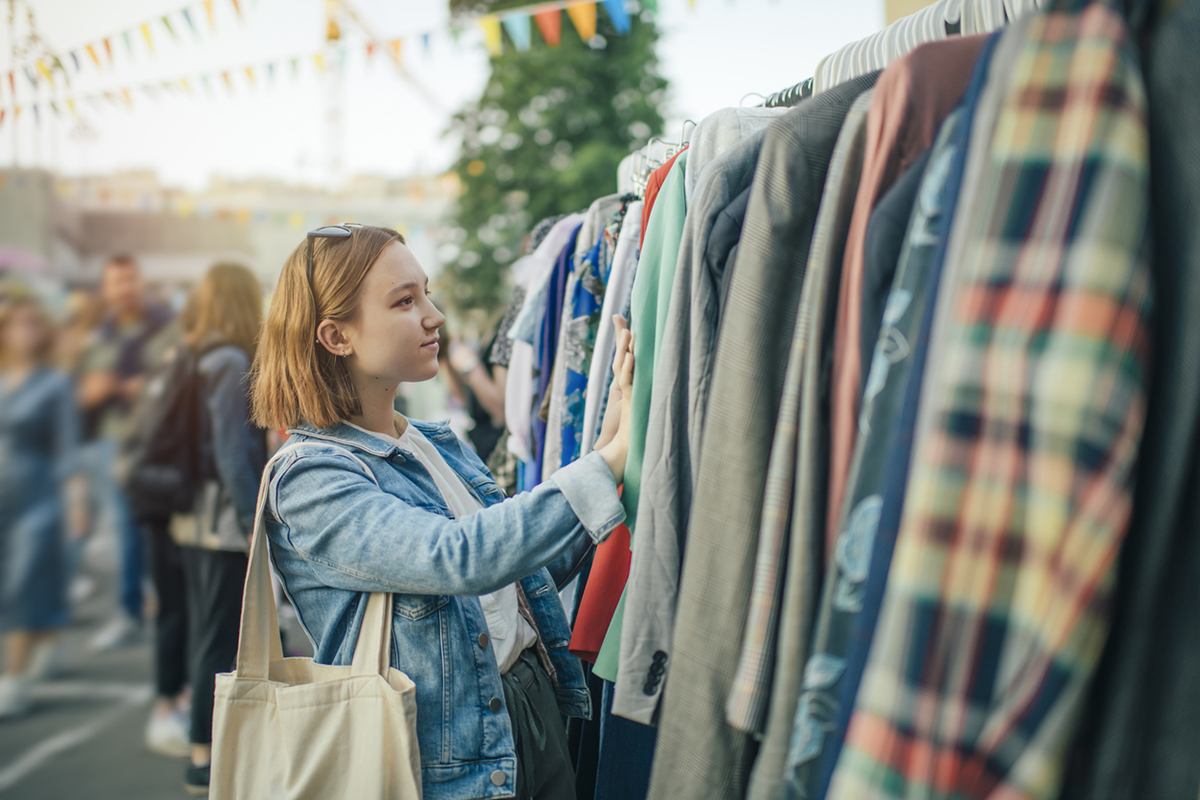
Imagining a Different Way Forward
There’s another path forward, and none of this means the story ends at the landfill. It simply means the next chapter begins with us. One powerful shift is to rethink our closets the same way we rethink our budgets, health, or values. We could each do an audit, answering the following questions:
- How many pieces did you wear fewer than three times last year?
- How many “bargains” are sitting untouched because the fabric didn’t hold up or the style didn’t last?
Once you see the pattern, try a 30-day pause from buying anything new. After the pause, shop with questions that guide better choices:
- Will this be something I reach for regularly, not just once?
- Is it made from natural, durable materials?
- Could I find a second-hand version that’s of equal, or better, quality?
And yes, ask the question: Does this truly matter to me, or am I buying out of habit? These small shifts are how global change begins. All it takes is one thoughtful purchase at a time.
A Future Built on Intention
The world produces more clothing each year than we can responsibly reuse, recycle, or resell. The math doesn’t work, but the intention does. The solution is a move away from the old linear consumption model of “take, make, dispos.” It’s time to move toward a circular, human-centered reuse economy that values durability, community, and environmental responsibility.
The fact is that second-hand can be stylish and high-quality, and it can make a global impact in your closet. The future isn’t just about buying less. It’s about buying better, rethinking our relationship with fashion, and supporting systems that protect both people and the planet. Second-hand isn’t a consolation prize; it’s the smarter path forward.
Now that you know a bit more about why you should rethink your fashion choices, find out how you can start today to make a difference. Your sneakers can make a global impact by planting trees. Yes, you read that right. Take a moment to find out how you can give your sneakers a second life with Green Sneakers and plant trees in the process.
© 2025 Green Sneakers. All Rights Reserved.