
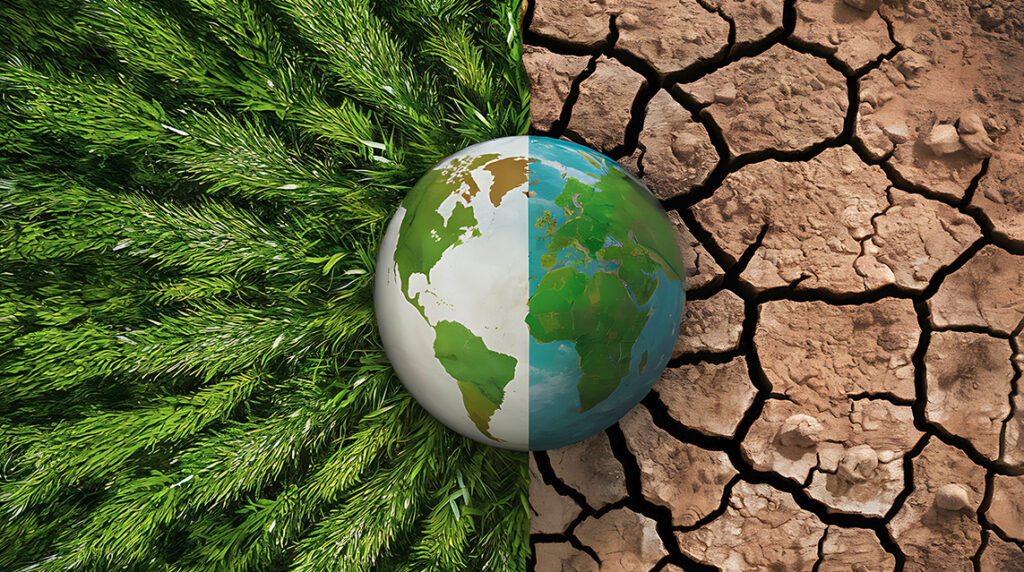

Some people still wonder, is climate change real? The short of it is that, yes, it’s real. Years of scientific research and data have shown us that we have significant environmental problems.
The reality is that each year, billions of things are trashed and sent to landfills. That’s to be expected since we have about 8.5 billion people on the planet. But did you know that the fourth most damaging industry for the environment is the clothing business? Fast fashion only makes the situation worse, but there’s a better path. (Learn how to make an impact with sneakers).
- Each year, 5.5 million tons of clothes are disposed of in the trash.
- Every month, 65% of Gen Z throw away at least one item of clothing.
- 148 million fast fashion items get purchased by American each year. That totals 7.7 billion pieces of apparel.
The Environmental Cost of Overconsumption
Climate change isn’t a distant concern. Unfortunately, it’s a defining, if not the defining, challenge of our era. In turn, it is shaping the way we live on this planet. The increase in greenhouse emissions has led to superstorms, hotter and more oppressive summers, and warmth where there should be cold, among other effects.
While the realities of climate change are real, we each play a part in it. For example, we could stop buying fast fashion. We could redirect the clothing and shoes we no longer want or need into the reuse economy. We are all empowered to make the world a better place, including the environment, if we choose to change some of our habits for the better.
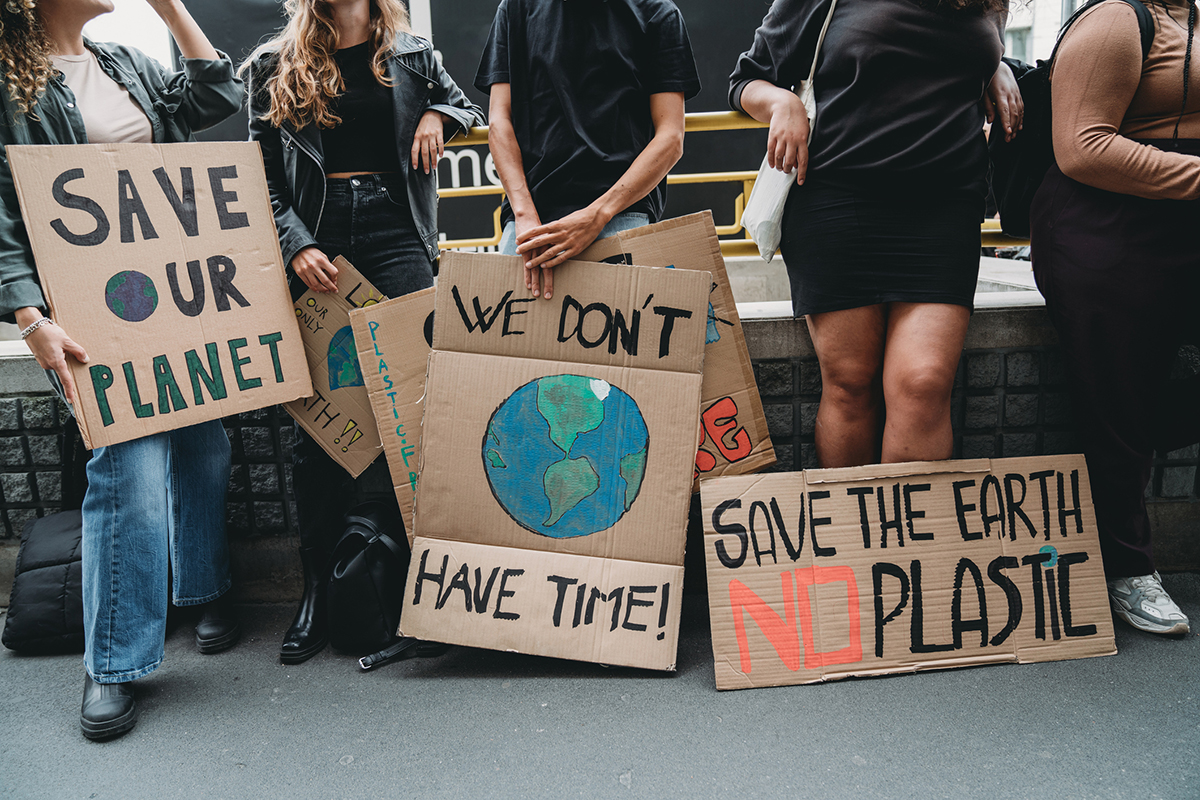
The Impact of the Challenges on the Planet
Unfortunately, environmental climate change has led to superstorms and greater fires. It has caused populations to leave their homes, and as we know, it has resulted in billions of dollars in costs. These unfortunate circumstances will persist with the continued collapse of glaciers, including those in the Arctic. People will move. Insurers will charge more or not provide coverage, and we will sadly add to the growing list of climate disasters.
Global Climate Disasters
- Approximately 46 million acres were burned during the 2019–2020 Australian bushfires, which also forced nearly 3 billion animals to relocate.
- North America experienced air quality emergencies as a result of the Canadian wildfires in 2023.
- The historic town of Lahaina was completely destroyed by the Maui wildfires in 2023.
- Puerto Rico was devastated by Hurricane Maria in 2017.
- Houston experienced devastating flooding as a result of Hurricane Harvey in 2017.
- From Louisiana to New York, Hurricane Ida (2021) caused significant damage.
- Hurricane Helene (2024) affected North Carolina and Virginia and inundated Florida’s Gulf Coast.
- The wildfires in January 2025 in Los Angeles caused between $135 billion and $150 billion in economic losses, displacing 180,000 residents and destroying over 10,000 structures.
The Role of Governments and Corporations
For societies and nations to address the climate crisis, it requires the will and bold action from governments and corporations. For example, governments can set robust policies to regulate emissions and invest in renewable sources. Corporations and companies can explore various approaches to addressing issues such as fast fashion. More ethical businesses can join us in the second-hand reuse economy and do better for the planet and people.
Companies and governments need to realize that making the shift to a low-carbon economy is’t just about avoiding climate disasters. It’s an approach that can create new industries and job opportunities for people. It can improve public health and limit the amount of items going to landfills, which emit toxins into the air. Ultimately, together, we can each do our part to ensure our planet and communities are protected from the traditional industrial model.
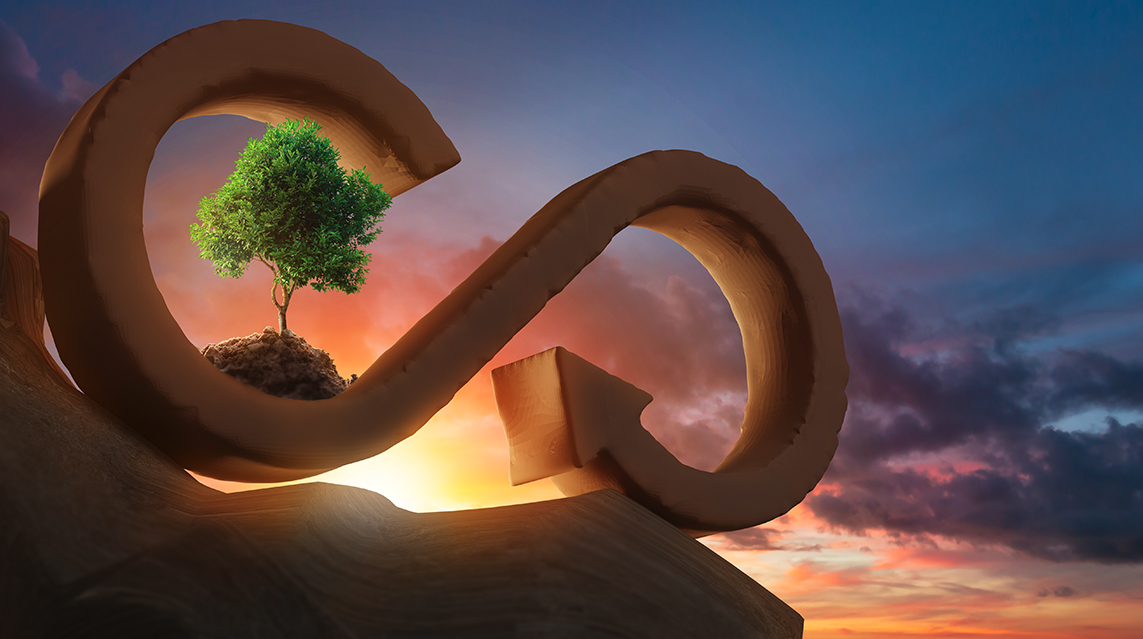
The Path to Transformation Through the Circular Economy
We each have the opportunity to safeguard the safety and freedoms of our families and communities. For example, we can stop buying into overconsumption. We can also stop purchasing fast fashion items that are low-quality and low-priced apparel. When people buy fast fashion, it’s a quick dopamine hit, but the quality is often terrible, and these clothes are usually thrown away after only a few wears.
We know it’s not easy to look in the mirror, but it doesn’t have to be a negative experience. Sure, we can hope that technology or someone else will fix climate change, but companies and governments won’t bother or have the will to do so if people don’t push them to care about it. Companies and governments need to see behavioral changes in their communities.
So, what if your next stop at the store helped contribute to global sustainability efforts? There are many ways to get involved in the reuse economy, which is much better for the planet and all living things. For example, you can choose to buy vintage or second-hand (pssst…the quality is likely better). When you have apparel or sneakers to dispose of, you can do it responsibly. It’s just a choice.
Summing up the Circular Economy
We’ve mentioned the intense heat waves and superstorms. Moreover, the climate is unpredictable. One day it’s bone-dry when it shouldn’t be, and the next day it’s a deluge of rain. Yes, the climate is changing, as is the planet, but we are each empowered to make a positive change. We can do it by not asking, is climate change real, and instead focusing on doing better for our families, communities, and the planet. When we make better choices, we give a hand-up to the planet and to people worldwide. For instance, they get the opportunity to find work planting trees to create a barrier with the sea.
At the end of the day, people want the same things. They want to take care of their families, sustainable jobs, and feel that their lives matter. They want to be safe from bad experiences, and they want economic opportunities. We think that’s the future worth fighting for, and we think you likely agree. So, remember that each and every one of us can play a role. We have the power to ensure that the world we have now and tomorrow is a better place for everyone. We just have to make good choices.
© 2025 Green Sneakers. All Rights Reserved.