
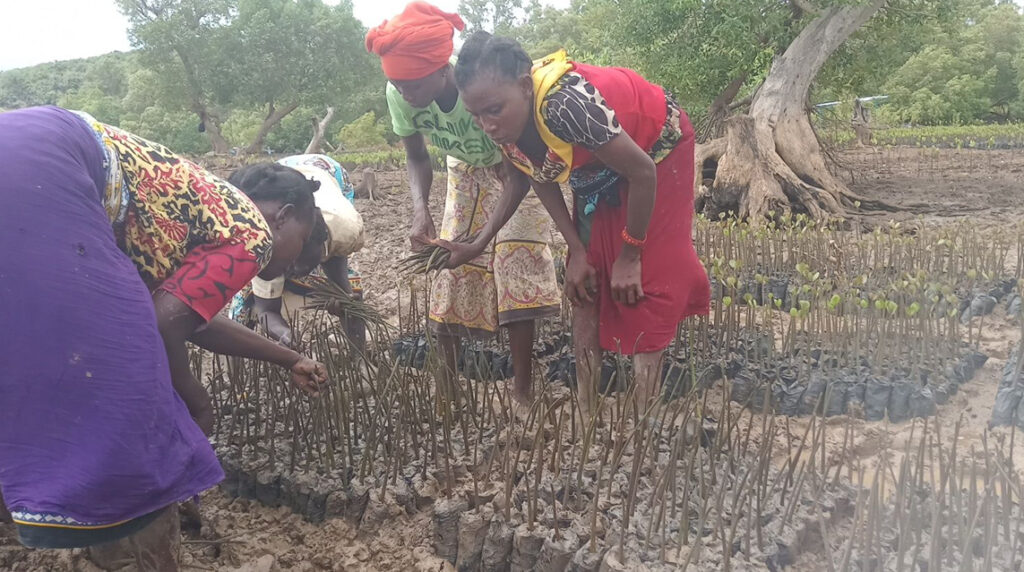

She wakes up in Haiti or Eastern Africa long before the sun rises to hills that have been stripped bare for generations. She cares for her children and makes sure they’re ready before she’s knee-deep in soil, pressing seedlings into the earth. You may wonder, why is planting trees important? One answer is that it goes beyond the environment. Other reasons are because of her and her family, and then hundreds of thousands of others worldwide.
You see, planting trees goes beyond the science textbook. Sure, understanding why it’s so essential to the environment is essential. But there’s so much more to the story. Next time you consider the question of why is planting trees important, think about the jobs and families it saves from extreme poverty. A more nuanced understanding of tree planting can be found in the hillsides of Haiti or in the fields of Kenya.
The Numbers Tell a Story, If You Know How to Read Them
Since the inception of its partnership with veritree to today, Green Sneakers people who have participated in this unique sneaker collection program, more than 16,7000 trees have been ordered. Those trees have supported not just environmental opportunities. They’ve also supported restoration projects (and jobs) in locations such as Tanzania, Kenya, and Haiti. As a result, many women have been able to provide for their families.
You see, those trees through our veritree partnership have generated 153 estimated workdays. These workdays have meant sustained labor opportunities in places where consistent work is anything but guaranteed. Further, among the workers participating in the program planting trees, 84% are women. Unfortunately, for a variety of reasons, including lesser earnings, global poverty is a burden that more women and children carry worldwide.
Why Planting Trees Is Important: The Answer Is Layered
When you ask an environmental scientist about planting trees, they may speak about carbon sequestration. Mangroves store up to five times more carbon than terrestrial forests. That makes mangroves a powerful climate tool, which is why they’re a focus of the program. The trees ordered by Green Sneakers partners project to sequester an estimated 2,578 metric tons of CO₂ at maturity. That’s equivalent to removing 560 cars from the road.
A hydrologist will speak to you about water. Deforested land loses the ability to filter and retain rainfall. That can pose an environmental threat to communities because they lose environmental protection due to excessive rain and storms. Further, it can only add to food and water insecurity. Trees aren’t only about carbon sequestration. Each root helps protect communities in low-lying areas or valleys from climate catastrophes.
If you speak to a community leader in Sud, Haiti, she may speak to you about something different. The sneakers you collect to plant trees support Sud, one of the three provinces where veritree is leading agroforestry planting. She may share that the work project has helped displaced families who had to leave Port-au-Prince due to instability and violence. More than 1.4 million people have been displaced, and planting trees provides opportunities in new areas.
What Agroforestry Tree Planting and Mangroves Actually Do for a Family
In Haiti, the projects don’t simply plant trees. The country has lost more than 98% of its forest cover to deforestation, which has increased flooding. So, planting 56 different agroforestry species supports the environment and creates work opportunities. Agroforestry integrates tree planting with crops. That means a farmer doesn’t have to choose between feeding her family and tending to the soil for tomorrow. She can do both at the same time.
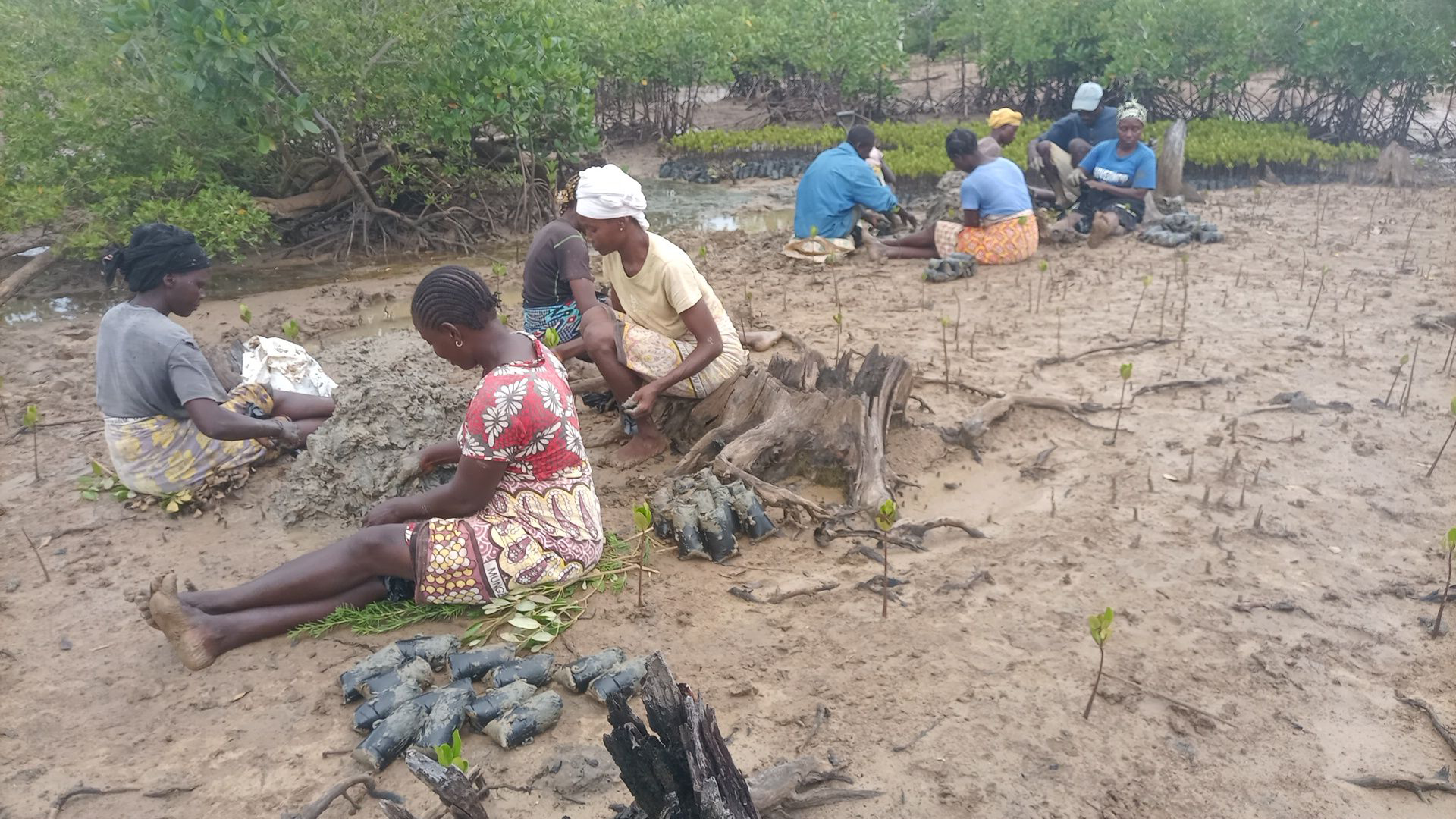
In Kenya and Tanzania, the work may be different, but the stakes remain high. Increased coastal urbanization has destroyed mangrove ecosystems. It is in those systems that whole communities depended for storm protection, food, and income. Therefore, mangrove restoration projects help people rebuild. Workers use trenching strategies from January through May to improve sediment flow, prevent flooding, and rebuild ecosystems.
What’s wonderful about it, aside from the work opportunities, is that it’s bringing wildlife back. For instance, the Great Egret and the African Bush Elephant have been detected returning to 20 wildlife species. And just as importantly, the women doing the work have sustainable work opportunities. They’re also building skills, and as one tree planter said, “…it’s improved my family’s wellbeing.”
Your Old Sneakers Are Part of Mangroves and Agroforestry Tree Planting
If you’ve read to this point, this is where you can become part of the story. Partners of Green Sneakers collect gently worn, used and new sneakers. The vast majority of our partners run stores, retailers, gyms, and sports clubs. The sneakers collected and redirected from landfills into the reuse economy are a direct line to a woman pressing seeds into the earth. In other words, your running shoes offer an opportunity to make an environmental and economic impact.
It’s because of all of our partners that we keep at it every day. To date, through our sneaker collection partners, 4 hectares have been restored, equivalent to 141 tennis courts. Think of that image in your mind. Or better still, think of a simpler one. Consider the image of a woman out in early morning in East Africa or Haiti toiling in the soil to care for her children. Why is tree planting important? The answer is environmental and very human.
© 2026 Green Sneakers. All Rights Reserved.