
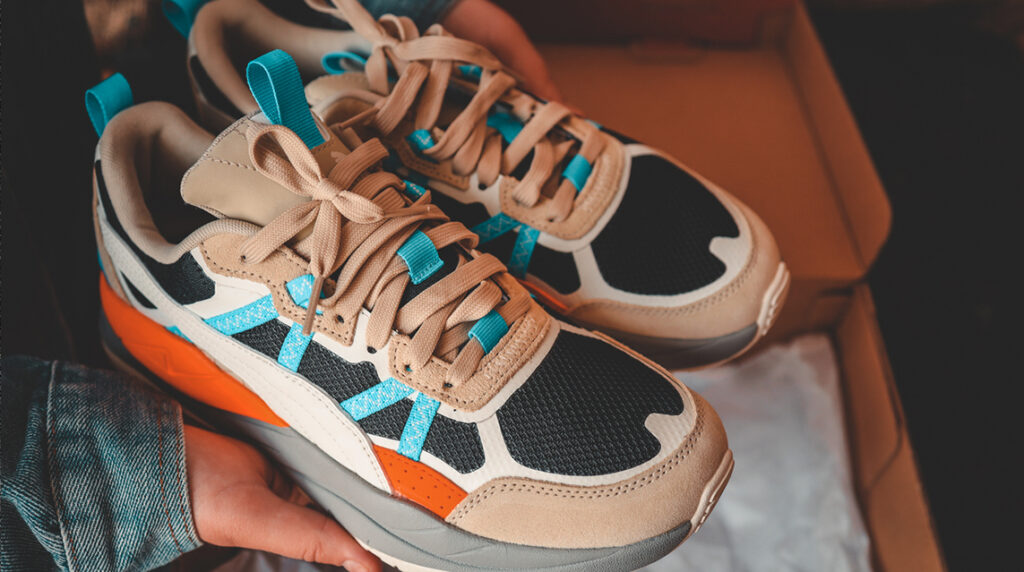

The social, business, and economic model of reusing before recycling presents an effective and the only course correction at this juncture. It means giving a second (or third, or fourth) life to clothing before we consider recycling them into something else. When that happens, we use more precious resources and energy. Simply put, if a piece of clothing can be reworn, that should always be our first choice to reduce wasteand support sustainable practices.
What Does Reuse Look Like in Practice?
Consider that 100 to 150 billion new pieces of clothing are manufactured each year for 8.2 billion people. This is not just textile waste. The facts are a profound failure of imagination in so far as we have to continue with the same linear model of manufacturing and consumption. As we see the daily disruptions and innovations, particularly in technology, we know that we can’t remain in place, and we have to advance.
The flip side of the “take, make, dispose” model is one full of potential. If we extend the life of clothing through reuse, resale, and trade, we preserve the labor, water, and energy that went into making it. Moreover, we create jobs and opportunities for people globally and reduce waste, emissions, and water waste. (Learn about sneaker reuse and making an impact).
Every person on the planet should embrace the reuse of clothing as a matter of social responsibility, global ethics, and business and work opportunities. The path is as clear as it can be, and it lies within the reuse economy. Reusing clothing is a powerful way for all of us to make a difference. We owe it to ourselves, each other, the planet, and future generations.

A Global System for A Better Life for People and Earth
The secondhand clothing industry isn’t only essential to billions of people globally because it provides jobs and opportunities, they wouldn’t otherwise have due to systemic poverty—particularly in the knowledge age. The reuse industry is also an issue of equity and access. The reuse trade provides clothing billions of people need at a lower price.
The industry is a sector where clothing is transacted repeatedly, often by people who can hardly be said to have access to most of the things we might consider basic necessities. Reuse keeps a worldwide system from breaking down and causing more textile waste to be thrown into landfills. Consumers mean well, but unfortunately, good intentions aren’t sufficient. As we know, when the world and its people face a global crisis, action is required.
Essential Actions to Build the Reuse Economy
Nations, legislators, business leaders, and consumers need to catch up and do their parts. In their 2024 report, Garson & Shaw recommended actions that are essential to reduce waste, such as:
- Governments adopting sustainable practices and policies to drive growth in the reuse economy.
- Incentivizing micro-entrepreneurs and promoting partnerships with small and medium-sized enterprises (SMEs).
- Locating clothing manufacturing sorting centers in the most strategic and beneficial global locations, such as Central America.
- Ensuring policymakers and governments fully appreciate the benefits of secondhand clothing and a broader reuse economy.
Industry leaders and governments must collaborate closely to ensure that reuse becomes the standard rather than something that’s only done when all else fails.

A Call to Action for a Sustainable Future
For a long time, our team and others have believed in the power of global thought leaders and advocates in the social enterprise space, where profit and social good coalesce. The vision is clear, and reuse ideas resonate with the future because, there are “no limits” to what we can do together. All we have to do is to ensure reuse is a priority.
Readers—Choose used. Secondhand isn’t second-rate. Push for good policies. Follow the footprints of others, including reuse companies and brands, that believe we can, and must, do better. Most importantly, embrace the reuse economy as your new baseline. Reuse before you recycle. We can reduce waste and make the reuse economy not just a system but a broader movement—and we can do it together.
© 2025 Green Sneakers. All Rights Reserved.